For Students
K-8 Workshop
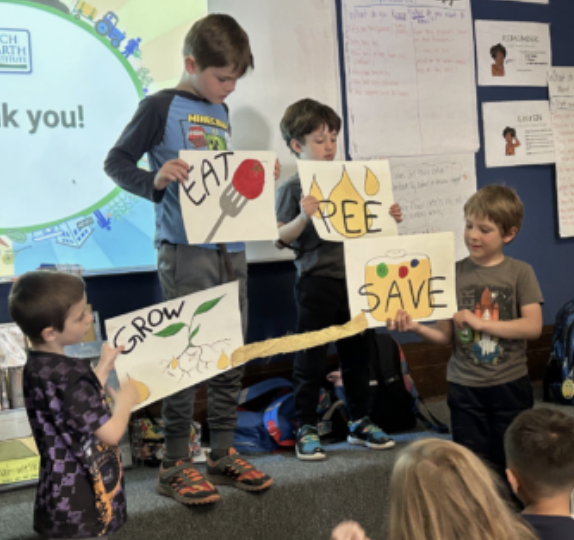
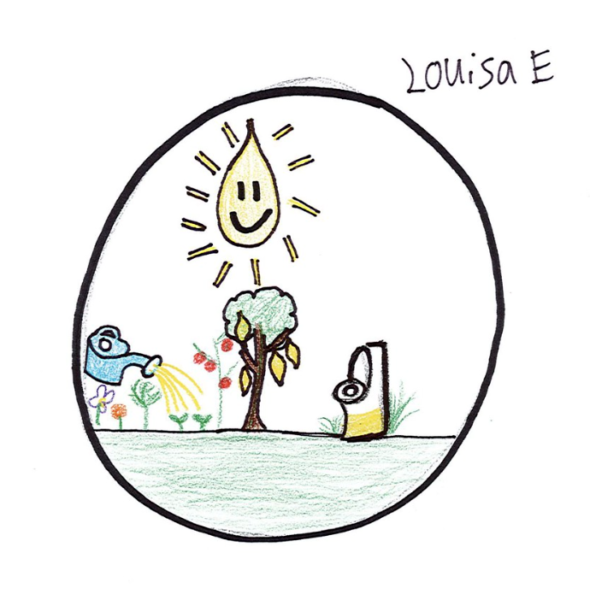
This activity is adaptable to different K-8 learning levels, and has been implemented in schools across Windham and Chittenden Counties. The workshop includes a brief overview of Rich Earth’s community peecycling program, the Uri animation video, an activity in which students act out linear vs. circular nutrient flows, and concludes with three creative activity stations (making ‘become a urine donor’ advertisements; designing urine-fertilized produce labels; and drawing their own nutrient cycle). View Rich Earth’s archive of youth drawings created through this workshop.
Middle & High School STEM Activities
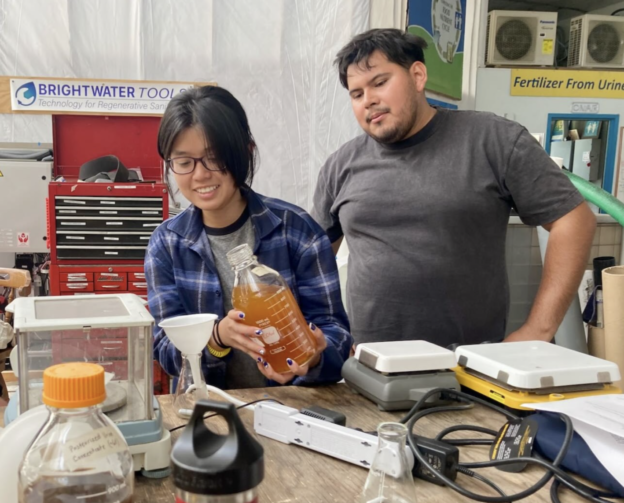
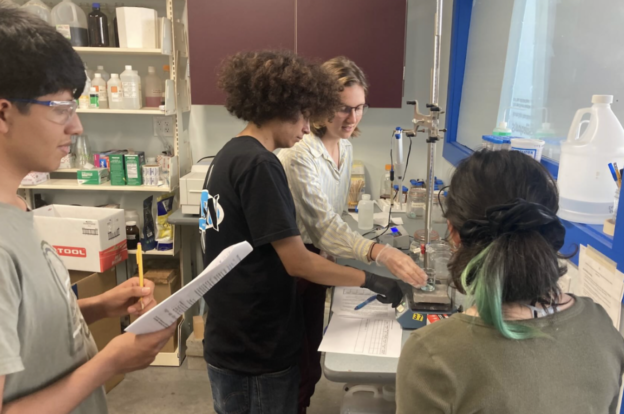
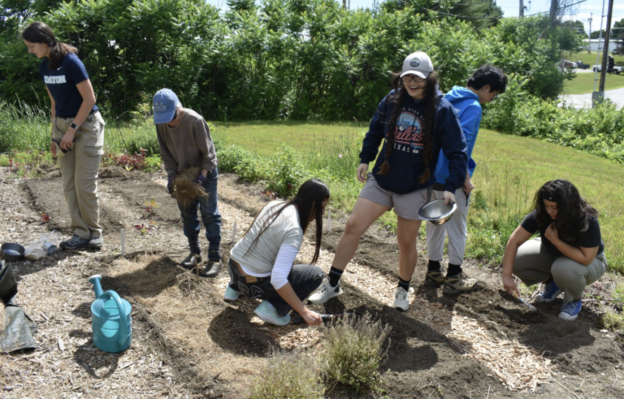
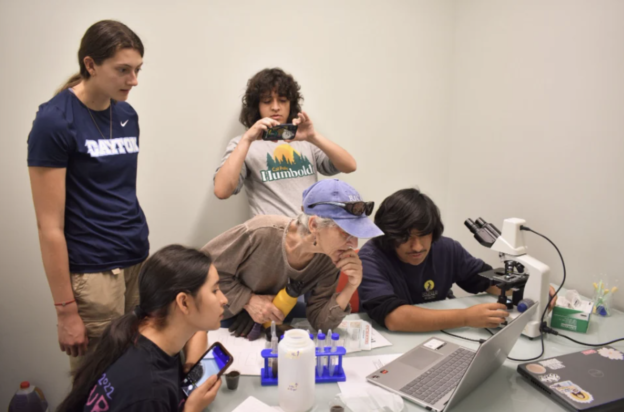
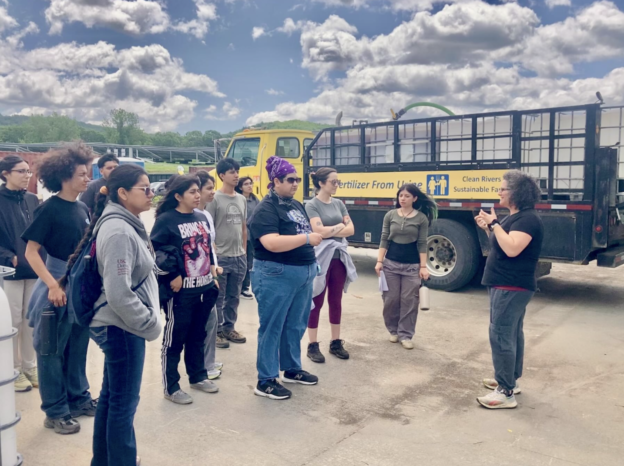
Rich Earth Institute is offering STEM activities for Vermont middle and high school classes, providing integrated learning about sustainable agriculture and environmental protection through the lens of the food nutrient cycle. Our activities can be tailored to your classroom needs, including adapting content for different learning levels, bringing activities to your school, or hosting them in tandem as a full activity day at our Research Center in Brattleboro. Contact to discuss options and scheduling!
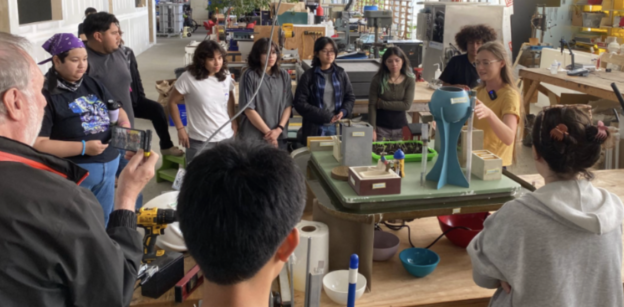
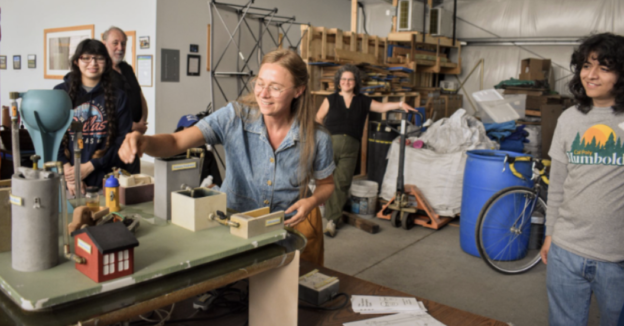
Urban Hydrolink: Interactive Water & Wastewater Model
The Urban HydroLink was created by researcher and educator Hayley Joyell Smith to answer the simple but revealing questions: Where does your water come from? And where does it go? Too often, the answer begins and ends with “the tap” and “the drain.” This interactive model helps students discover the full story for themselves, and why it matters. The Urban HydroLink is a fully functioning, hands-on model of an urban water system. Students actively move water through each stage using pumps and valves, tracing its journey from source to treatment, storage, household use, treatment, and back again. By making hidden infrastructure visible, the model creates powerful “aha” moments, helping people understand the connections between water use, waste, and environmental impact.
Youth-Led Peecycling Project Design Activity
This interactive workshop empowers youth to explore the roles of sanitation and food production in their schools and communities through a collaborative nutrient cycle design activity. Participants consider local motivators such as bathroom access, school gardens, and watershed health, before brainstorming project ideas and developing action plans. Through exploring the potential impact and feasibility of urine recycling systems, students develop collaborative problem-solving and project design skills.
Urine Diverting Toilet Learning Case
Rich Earth Institute’s partners at the University of Michigan designed an online learning case that features a fish-bowl style activity in which students role-play as stakeholders from a university community who must grapple with the pros and cons of installing urine-diverting toilets and processing the collected urine into fertilizer on campus.
RECLAIM: A Serious Sanitation Game
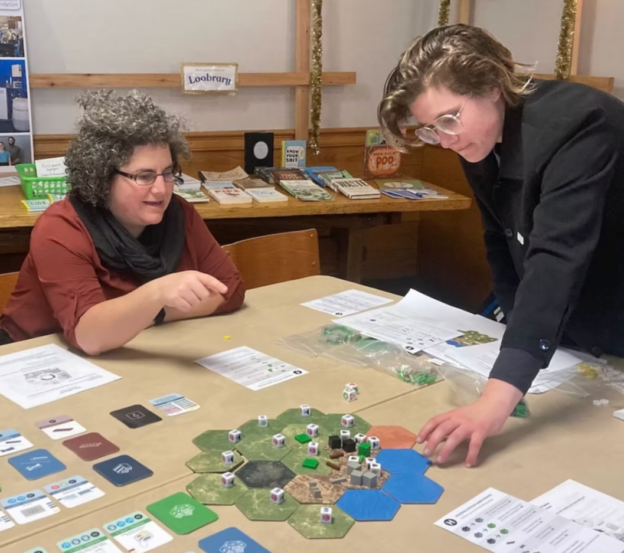
Host a circular sanitation game night! This board game was produced by the Swedish University of Agricultural Sciences (SLU) Sanitation Planning for Alternative Nutrient-recovery Systems (SPANS) project through a co-design process with different stakeholders in both Sweden and Uganda. Through this game, participants learn about resource recovery from sanitation while adapting and collaborating with other players.