
Compost Toilets In Vermont
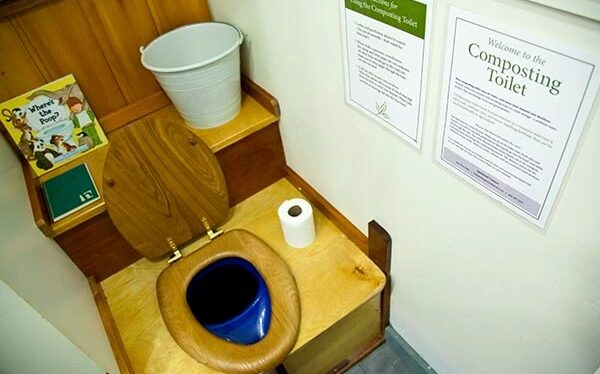
Compost toilets are increasingly common in Vermont, offering a sustainable alternative to conventional flush systems. Current state regulations allow their use, but clear permitting pathways for reusing the finished compost in soil are still lacking, and in many cases regulations still require the installation of a septic system.
Greywater Management & Septic/Sewer Requirements
Even with compost toilets, Vermont homes must connect to an approved wastewater system (such as a septic system or sewer) for managing greywater. Septic system leach fields may be reduced by 25% for homes with compost toilets. In contrast, Massachusetts allows for a leach field reduction of 50%. In Maine, homes without pressurized water supply (using hand-carried or hand-pumped water) are exempt from engineered septic requirements, making compost toilets and simple greywater systems viable for remote or off-grid locations. We are in dialog with Vermont regulators and developing a proposal for evidence-based changes to state greywater rules that would bring to Vermont some of the greywater management benefits that are already available to residents of other states.
Compost Toilet Management
Once compost is removed from a composting toilet, there are regulations limiting where it can go, with three options currently allowed in Vermont. All have significant drawbacks, though one has potential in a reinvented form, as described in a later section. The current options are:
- Landfill: Toilet contents can be brought to a landfill for disposal. Vermont has only one operating landfill, located in Coventry and owned by a subsidiary of Casella Waste Systems.
- Pros: This has been the only practical option in lost cases, due to the great cost and effort required for the other options.
- Cons: The resource value of the compost is wasted, and the landfilling of compost contributes to global warming due to increased landfill methane emissions
- Composting at a certified wastewater facility: These facilities are certified to compost wastewater products like sewage sludge, and are typically operated by wastewater plants. (Food- and agricultural-waste composting facilities cannot accept composting toilet material.)
- Pros: The compost is kept out of the landfill
- Cons: These facilities are scarce, and few accept composting toilet compost. Finding and delivering compost to a facility will typically require extensive outreach and travel
- Shallow Burial Permit: Toilet contents can be disposed of using shallow burial, in a specific area that has been mapped and tested by a septic system designer and certified to comply with the site selection criteria for location of a leachfield, and then added to the site’s State Water/Wastewater Permit. The permit will require a minimum of 6″ of cover material and will prohibit growth of crops for direct human consumption for a minimum of 38 months from the last disposal event in that area.
- Pros: Allows compost to be used onsite
- Cons: Requires expensive permit amendment, very limiting of how and where compost can be used.
Community Toilet Composting Facilities
Since 2012, the Rich Earth Institute has been permitted to process urine and distribute the resulting product to the public as a safe soil amendment. We recently expanded our permit to let us collect and process material from compost toilets, and then distribute the compost product to the public.
This permit update enables us to develop a pilot community-scale compost management program, in parallel to our community urine recycling program. We are designing and seeking funding for a high-temperature in-vessel composting system that we can use to create high-quality, tested and certified compost products. We will use the system not only to re-compost material from composting toilets, but also to process the material (sawdust and human waste) that we collect through our waterless portable toilet rental service.
As we pilot a processing system and management program through this Southeastern Vermont initiative, we aim to support adoption of similar community facilities for processing composting toilet material in other regions throughout the state. Vermonters interested in compost toilet collection services are invited to take this brief survey. If you don’t live in or near Southeastern Vermont, we will use this survey to connect compost toilet owners together into hubs that can be serviced by future community processing facilities in other locations.